
Making the decision to transition a parent or loved one into assisted living is arguably one of the heaviest choices a family can face. The guilt usually hits first. We tell ourselves that we should be able to handle it all: the career, the kids, and the round-the-clock elder care.
But waiting until a sudden medical emergency forces your hand is a strategy that almost always backfires.
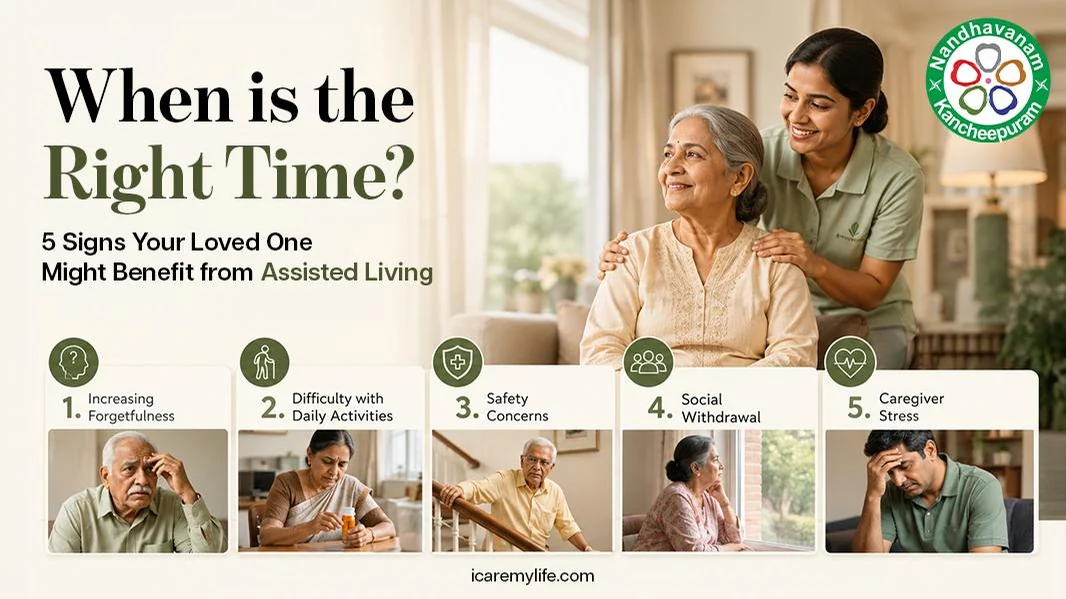
The conversation around elder care needs to change. It isn't about giving up; it is about recognizing when a home environment is no longer safe or stimulating. If you are constantly worrying about a loved one’s well-being, here are five undeniable signs that it might be time to explore assisted living.
1. Unexplained Physical Decline
Aging naturally slows a person down, but sudden, unexplained changes are massive red flags. Are you noticing a sharp drop in their weight? Are there unexplained bruises that suggest they are taking small, hidden falls when you aren't around? A sudden decline in personal hygiene or wearing the same clothes for days means that their daily routine has simply become too exhausting to manage alone.
2. Medication Mishaps
Skipping a morning vitamin is one thing, but missing heart medication or double-dosing on blood thinners is a crisis waiting to happen. If you notice that pill organizers are constantly jumbled, prescriptions are going unfilled, or they are confused about their dosage schedules, relying on memory is no longer a safe option. They need structured, professional oversight.
3. The House Has Become a Hazard
That beloved family home can quickly turn into a daily obstacle course. Steep staircases, slippery bathroom tiles, high bathtub walls, and poorly lit corridors turn routine movements into high-risk navigation. If their mobility has decreased, a standard house is actively working against their safety.
4. Severe Social Isolation
Aging shouldn't equate to extreme loneliness. If your loved one rarely leaves the house, has stopped calling friends, or no longer engages in hobbies they once loved, this isolation is dangerous. A lack of daily social stimulation actively accelerates cognitive decline and depression. They don't just need a safe room; they need a community.
5. Caregiver Burnout (Your Own)
Let’s be brutally honest. If you are physically exhausted, emotionally drained, and constantly anxious about their safety while you are at work, you may not be able to provide the level of care they actually require. Hitting your breaking point doesn't make you a bad child; it just makes you human. Recognizing your own limits is the first step toward getting them the professional support they deserve.
Finding Peace of Mind
You don't have to carry this weight alone. At Nandhavanam Assisted Living, we provide more than just medical supervision; we offer a vibrant, secure, and deeply compassionate community where your loved ones can age with dignity and joy.
Stop managing crises and start focusing on quality time.
Visit icaremylife.com/ today to learn how our dedicated team can provide the sanctuary your family needs.